

 Carolina Vallejo
Exploring the cultural significance of casinos in modern society
The Historical Roots of Casinos
Casinos have a rich history that dates back centuries, evolving from simple gaming houses to grand establishments that attract millions of visitors each year. The concept of gambling can be traced back to ancient civilizations, where games of chance were often associated with religious rituals and social gatherings. These early forms of gambling laid the groundwork for the sophisticated gaming culture we see today, including opportunities for online poker real money.
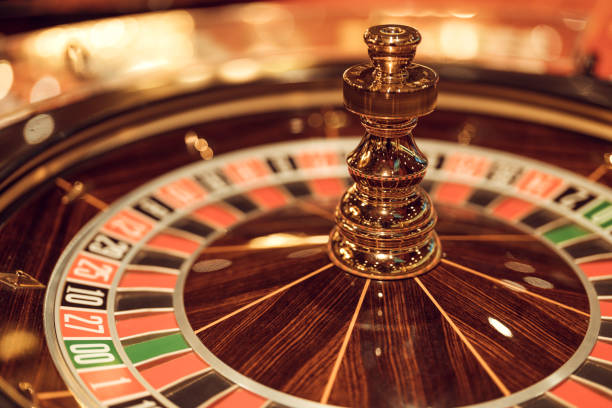
As societies developed, so did the role of casinos. In the 17th century, the first official casino, the Ridotto, opened in Venice, Italy. This marked a significant shift in the perception of gambling, transforming it from a clandestine activity into a socially accepted form of entertainment. Over time, casinos became synonymous with luxury and leisure, drawing people from various backgrounds who sought both excitement and social interaction.
Casinos as Social Hubs
In contemporary society, casinos serve as vibrant social hubs that foster connections among diverse groups of people. They offer an environment where individuals can mingle, celebrate, and enjoy shared experiences. The atmosphere of excitement and anticipation that permeates casinos creates a unique social dynamic, encouraging camaraderie and interaction.
Moreover, many casinos host events beyond traditional gaming, including live entertainment, dining experiences, and nightlife options. This multi-faceted approach not only enhances the entertainment value but also solidifies casinos’ roles as central gathering places within communities, breaking down social barriers and allowing for cultural exchange.
Cultural Representations and Misconceptions
Casinos are often depicted in various forms of media, from films to literature, contributing to both their allure and the misconceptions surrounding them. These portrayals can romanticize gambling, showcasing the thrill of high stakes, while sometimes neglecting the potential negative impacts of gambling addiction. Such representations can shape public perception, leading to a skewed understanding of what casinos truly represent.
It is crucial to address these myths, as they can influence societal attitudes toward gambling. While many people enjoy casinos responsibly, the glamorization of excessive gambling can perpetuate stereotypes and stigmas. By fostering open dialogues about these misconceptions, we can promote a more balanced view of the cultural significance of casinos in our lives.
Economic Impact of Casinos
Casinos play a significant role in the economy, contributing to job creation, tourism, and local business growth. They generate substantial tax revenue for governments, which can be reinvested into community services and infrastructure. This financial impact can lead to an overall improvement in the quality of life for residents in areas where casinos operate.
Furthermore, the presence of a casino often stimulates the development of ancillary businesses, such as hotels, restaurants, and entertainment venues. This interconnectedness fosters economic growth and promotes regional tourism, drawing visitors who may not only engage with the casino but also explore the broader cultural offerings of the area.

Visit Our Website for More Insights
For those interested in delving deeper into the multifaceted world of casinos, our website offers a wealth of resources. From in-depth articles to expert analyses, we provide valuable insights into the cultural, economic, and social aspects of casinos. Whether you’re a casual visitor or a dedicated enthusiast, there’s something for everyone.
Explore various topics related to casinos, including their historical significance, current trends, and responsible gambling practices. Our goal is to create an informative platform that enhances understanding and appreciation for the role of casinos in modern society, guiding readers through this intriguing landscape.

 Digital Nation News





Add comment